What Supplements Should a High School Athlete Take?
Short answer: almost none. Food, sleep, and water will do more for a 16 year old than anything in a bottle. But there are a few things that fill real gaps, and there is a short list of things I'd keep away from any high schooler no matter how badly they want to win.
I get this question from parents every week, usually after their kid saw something on TikTok. So here is exactly what I'd tell my own family.
The three things that matter more than any supplement
1. Eat enough, and eat protein at every meal
Most high school athletes are under eating, not under supplementing. If you practice after school and your lunch was a slice of pizza, no powder fixes that. Aim for a palm sized portion of protein at breakfast, lunch, and dinner, plus a snack after practice.
2. Sleep eight to nine hours
Growing athletes recover during sleep. A kid sleeping six hours and taking a pre workout is going backwards. Phones out of the bedroom is the best performance supplement there is.
3. Drink water all day, not just at practice
Showing up to practice already dehydrated is the most common reason a good athlete has a bad day. Carry a bottle and finish it twice before practice starts.
What actually helps
If the basics are handled and you still want help, these are the only things I'd suggest, in this order.

What to skip until you're an adult
Fat burners and weight loss pills
No. A growing body should not be on stimulants to lose weight. If a wrestler needs to make weight, that is a conversation with the coach and a parent about food, not a pill.
High stimulant pre workouts
Also no. Teenagers do not need 300 milligrams of caffeine before practice. Water, a snack, and sleep will do more.
Testosterone boosters and hormone products
Absolutely not. Teenage bodies already produce more of these hormones than they ever will again. There is nothing to boost and plenty to mess up.
Anything a teammate is selling
If you can't read the label and the company doesn't exist outside of Instagram, it doesn't go in your kid.
What about creatine?
Creatine is the most studied supplement in the world and it is safe for adults. For high school athletes, the research is still growing, so my honest answer is to ask your doctor or athletic trainer first. If they say yes, plain creatine monohydrate at five grams a day is the only form worth buying. Skip anything that calls itself a creatine blend or a pre workout with creatine in it.
One more thing for parents
If your athlete competes in a sanctioned sport, check the rules. High school associations and the NCAA have banned substance lists, and some products that are perfectly legal to buy are not allowed in competition. Everything I've listed above is clean, but it is always your job to check.
I'm a former professional fighter, not a doctor. This is what I'd tell a friend's kid. Talk to your pediatrician or athletic trainer before starting anything.
Questions people ask
Is protein powder safe for a 15 year old?
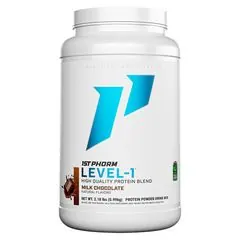
Protein powder is just food, usually milk protein, in a convenient form. It's safe for teenagers who struggle to get enough protein from meals. It is not a hormone or a steroid. The better move is always real food first, with a shake only to fill the gap.
Should a high school athlete take a pre workout?
No. High stimulant pre workouts are not something a growing athlete needs. A snack, water, and a full night of sleep will do more for practice than caffeine will.
What is the one supplement a teenage athlete should take?
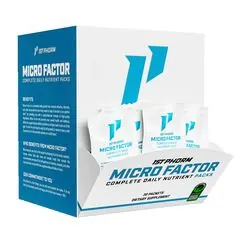
If the diet has gaps, a good daily multivitamin pack like Micro Factor. It covers the vitamins, minerals, and fish oil a typical teenage diet misses, and it has nothing in it that a parent needs to worry about.
Can high school wrestlers use fat burners to make weight?
They should not. Fat burners are stimulants and a growing body does not need them. Making weight should come from a plan with the coach and a parent built around food and water, not pills.
Are supplements allowed in high school sports?
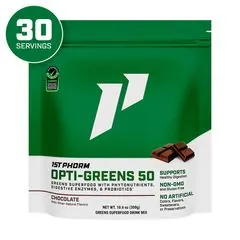
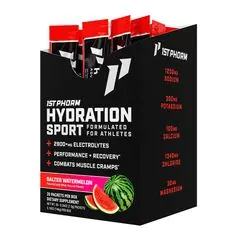
Most basic products like protein, multivitamins, greens, and electrolytes are fine. Some ingredients are banned by state associations and the NCAA, so always check your sport's list before using anything.
Log your reps. Earn your rank.
The 1000 Rep Club app counts every rep of every exercise and puts you on the live leaderboard. Free to join.
Get the iPhone & Android appOpen in your browser